“La Sábana Santa de Turín y el Santo Sudario de Oviedo desde la Historia, la Ciencia y el Arte,” a new book from the UCO Publishing Service

The Shroud of Turin is one of the historical objects that has garnered the most attention in the contemporary world. For some believers, it is an indisputable relic; for others, a venerable remnant and, in any case, a symbol of the Passion and Resurrection of Jesus. For the scientific community, it is a disturbing object, subject to the most diverse tests from the most varied fields of knowledge (medicine, law, botany, chemistry, archaeology, art, etc.) in order to provide answers to the enigmas it poses.In 2007, the University Brotherhood of Córdoba commissioned the image of its titular figure, the Holy…

0 Comments

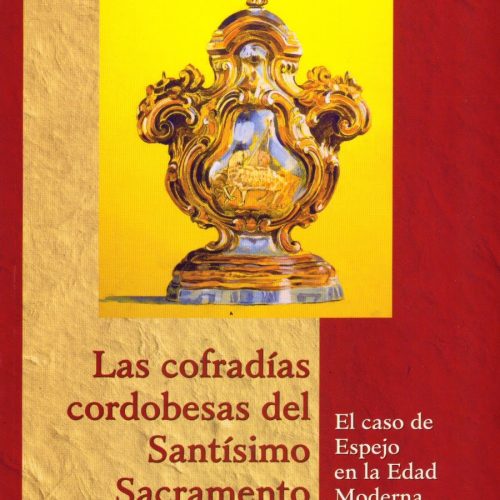
“Las cofradías cordobesas del Santísimo Sacramento. El caso de Espejo en la Edad Moderna,” New Book from the Publications Service of the University of Córdoba

The origins, nature, and purposes of sacramental confraternities are essential aspects for understanding the flourishing of these brotherhoods in the Catholic world, especially after the Council of Trent. An example can be found in the case of the Córdoba town of Espejo: a confraternity of the Blessed Sacrament that emerged in a rural setting and reached heights of true splendor. The feast of Corpus Christi and its octave, in which this sacramental institution played a special role, were utilized by ecclesiastical and civil authorities, who joined forces to achieve their respective objectives: to comply with the dictates of higher authority…

0 Comments

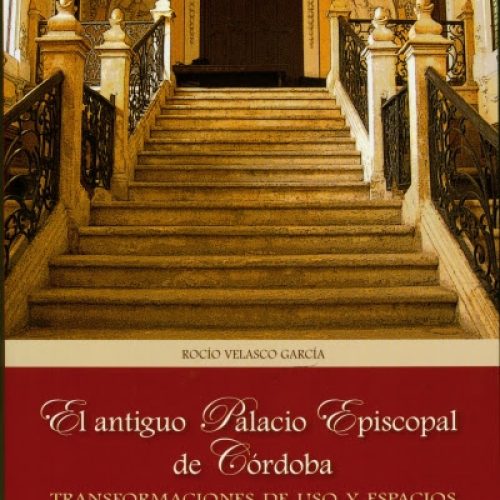
“El antiguo Palacio Episcopal de Córdoba. Transformaciones de usos y espacios,” a new book from the University of Córdoba Publications Service

The former Episcopal Palace of Córdoba appears to be located on top of a Visigothic palace. Earlier, on the same site, within the Andalusian Alcázar, it extended even further into the terrain, where buttresses of the wall are still preserved. From the Reconquista until the end of the 20th century, it served as the seat of the bishops of Córdoba, undergoing various architectural modifications. The Palace also served as a residence for many Spanish kings and their retinues. In the 20th century, the bishop's residence was moved to the San Pelagio Seminary, on Amador de los Ríos street. This study…

0 Comments