Written by the Communications Department
The book, presented as part of the lead-up events to the 6th Cigestur International Congress, brings together research by 26 specialists from Spain, Mexico and Paraguay, and, across 14 chapters, addresses issues such as the impact of tourism pressure, gentrification and heritage resilience.
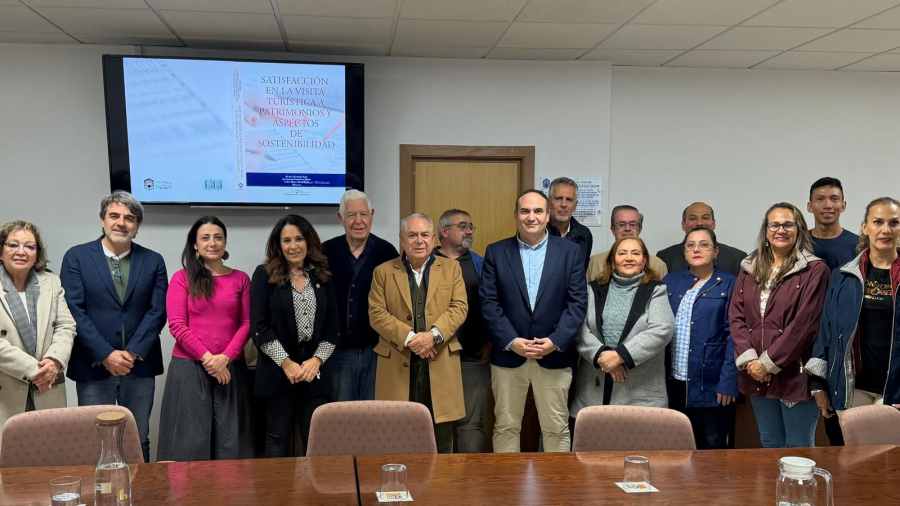
Yesterday, the Facultad de Ciencias del Trabajo at the University of Córdoba hosted the launch of the book “Satisfacción en la visita turística a patrimonios y aspectos de sostenibilidad”, a collective work that brings together various research studies on tourism and heritage, as well as a range of emerging issues in urban management, such as heritage resilience, the impact of tourist pressure, gentrification and holiday rentals.
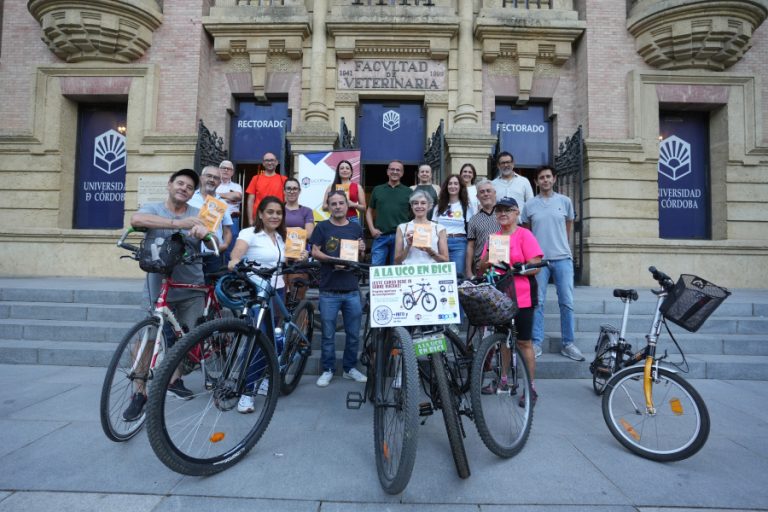
This experience gave rise to Explorando a 2 ruedas la perla de Occidente: un viaje en bici por los rincones de Córdoba, a book published by UCOPress which was launched today at the University of Córdoba as part of European Sports Week, an initiative by the European Commission to combat a sedentary lifestyle, coordinated at the university by UCOdeporte.
The book, published by UCOPress Editorial Universidad de Córdoba, was launched as part of the pre-conference activities for the 6th Cigestur International Congress, an event which will officially open on Thursday 19th and will bring together 350 specialists from 20 countries, both in person and online, to discuss the future of heritage tourism.
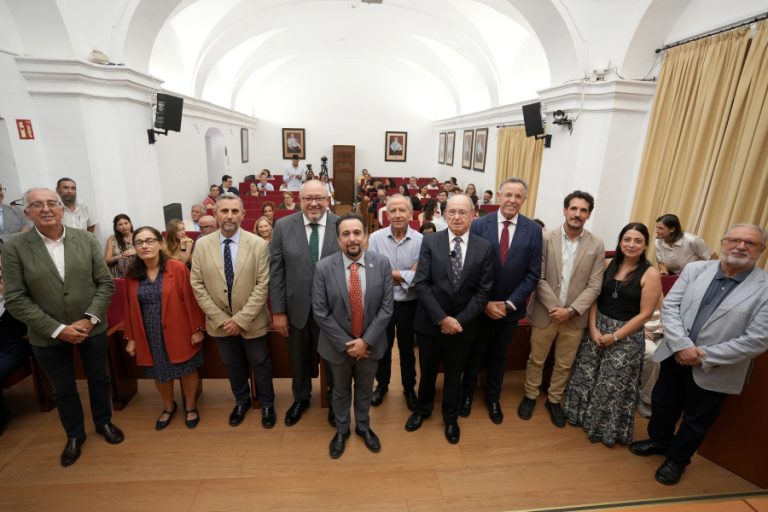
The book launch was attended by the Dean of the Facultad de Ciencias del Trabajo, Nuria Ceular Villamandos; the Director-General of Culture and UCOPress at the University of Córdoba, Elisa Borsari; as well as the three editors of the book: Professor Carlos Alberto Hiriart Pardo, from the Universidad Michoacana de San Nicolás de Hidalgo (Mexico); and the researchers Ricardo Hernández Rojas and José Antonio Fernández Gallardo, both from the University of Córdoba
Specifically, the publication, which is supported by the Chair in Heritage and Cultural Tourism at the University of Córdoba and the Regional Government of Andalusia, brings together the research of an international team comprising 26 specialists from various academic institutions in Spain, Mexico and Paraguay.
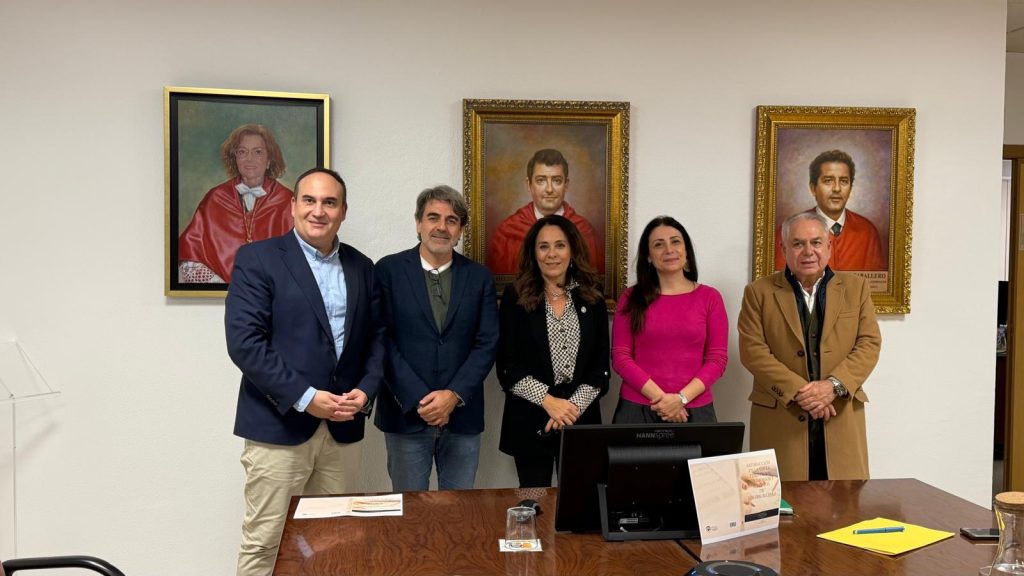
The book’s scientific editors, accompanied by the Dean of the Facultad de Ciencias del Trabajo and the Director-General of Culture and UCOPress
The book comprises 14 chapters and three distinct parts. The first of these, ‘Autenticidad, identidad y digitalización en la experiencia turística’, analyses how digital transformation, religious heritage, traditional cuisine and historical memory interact with the preservation of identity in historic centres and World Heritage cities such as Córdoba, Morelia, Guadalajara and Lerma.
In a second section, entitled ‘Modelos de experiencia del visitante, espacios naturales y patrimonio geológico’, the text examines participatory management and multidimensional models in contexts such as the traditional neighbourhoods of San Luis Potosí, the mining landscapes of Cerro de San Pedro, the Geoparks and Biosphere Reserves in Galicia, and the sustainable thermal tourism networks in Ourense.
For its part, the final section of the book, ‘Productos turísticos culturales, eventos deportivos y gestión del bienestar, examines the promotion of traditional crafts such as filigree in Luque (Paraguay), the social and economic impact of major international sporting events, and policies on healthy workplaces and employee wellbeing in the hospitality sector.
In specific areas relating to gentrification and touristification, the book analyses current challenges such as holiday rentals, carrying capacity and the displacement of residents, revealing that tourist satisfaction and community resilience are only sustainable if living heritage is protected and the local population is involved.
With regard to Córdoba, amongst other issues, the publication analyses public perception and community support in the city regarding the hosting of top-tier international sporting events, such as the UEFA Nations League and the European Rally Championship. Furthermore, the study also highlights that culinary authenticity is the main driver of visitor satisfaction and loyalty, and warns that an over-reliance on technology in restaurants – such as exclusively digital menus or screens – can diminish the perception of authenticity if it replaces human hospitality.
Finally, the report presents innovative success stories and documents replicable heritage management models, such as the restoration of a cloistered monastery in Lerma (Burgos) by local businesspeople, and the use of immersive theatre to save historic mansions in Guadalajara (Mexico).