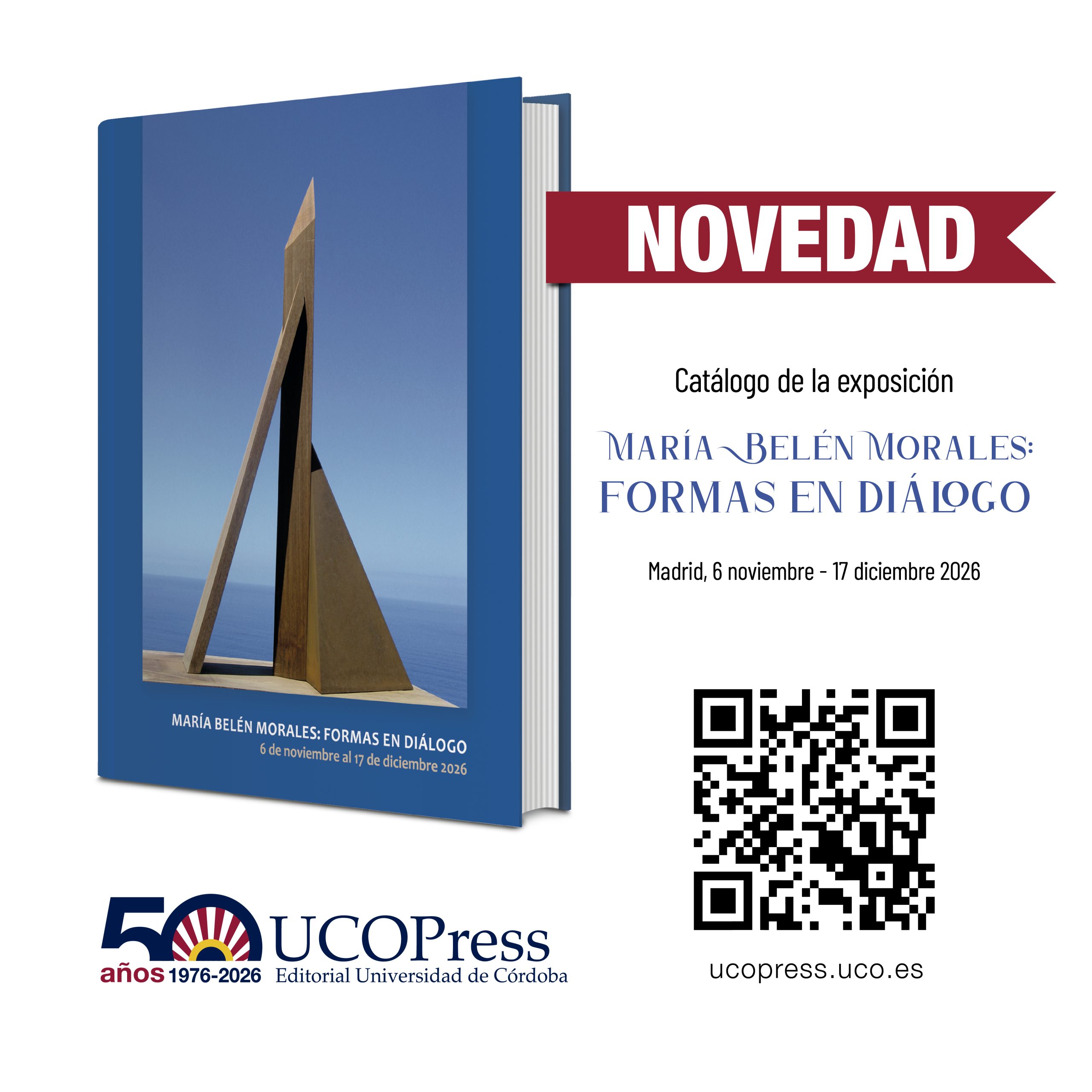
UCOPress presents a new catalog for the exhibition “María Belén Morales: formas en diálogo” to mark the show’s move to Madrid, an initiative of UCOCultura and the MBM Foundation (in the process of being established).
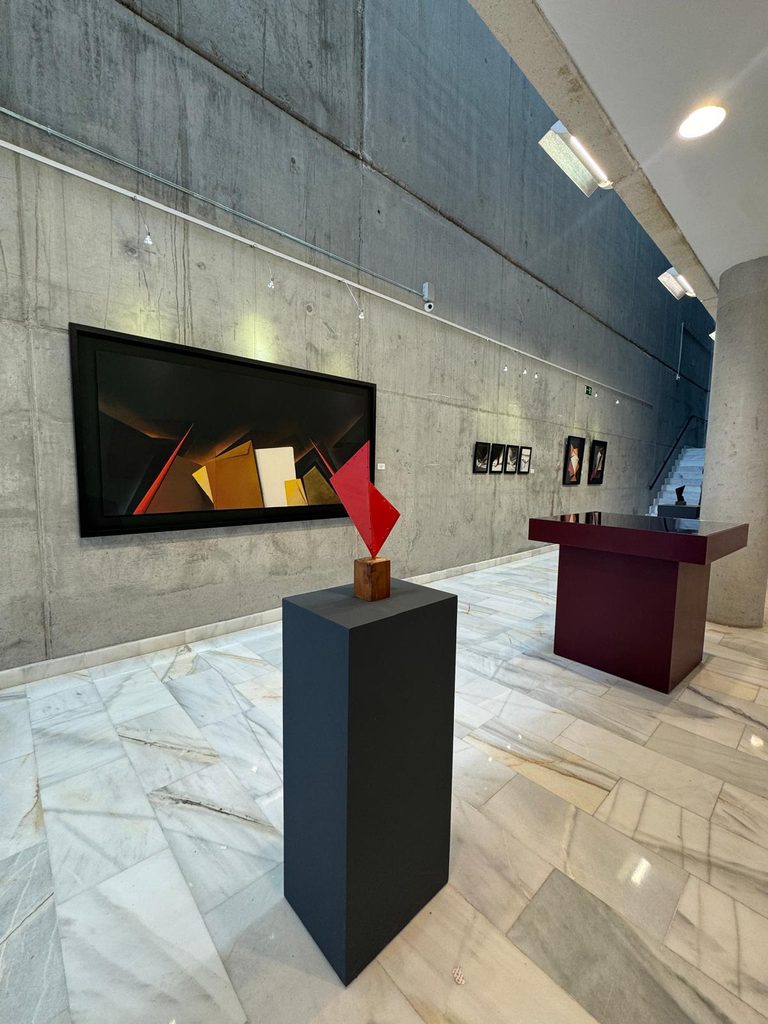
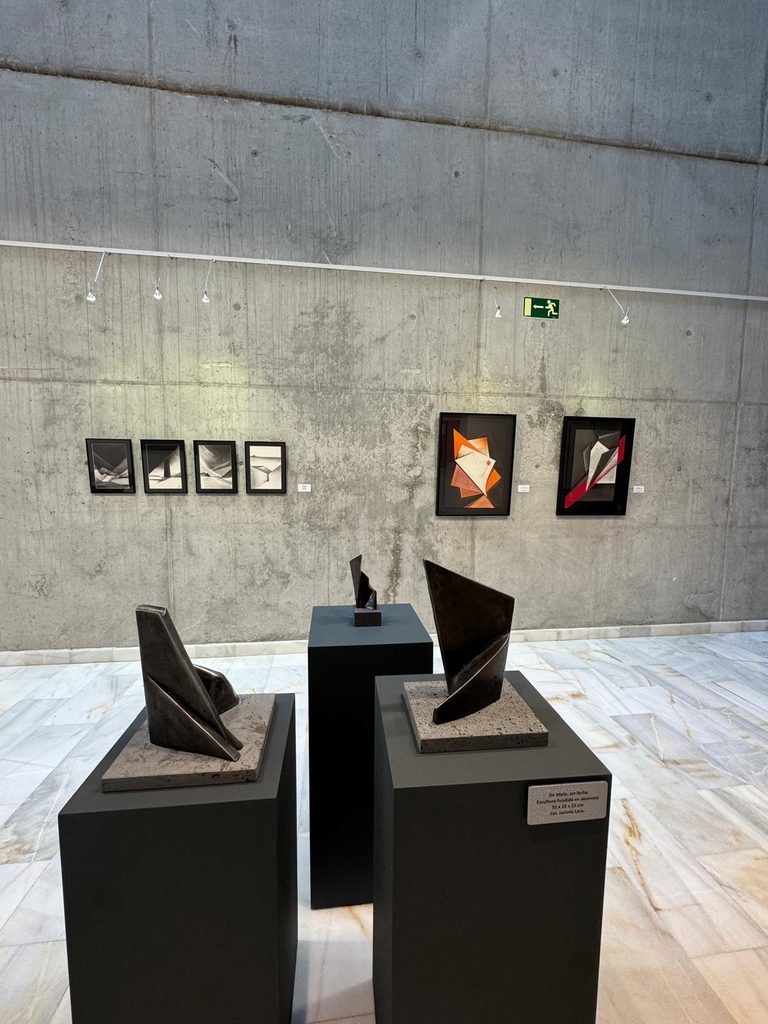
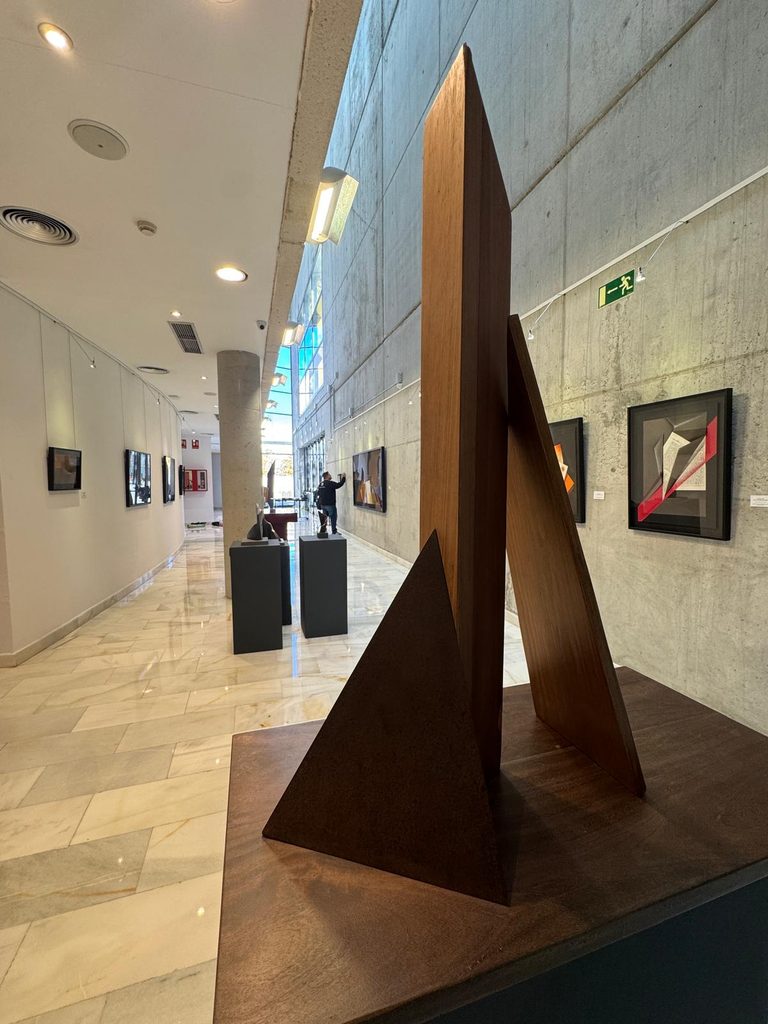
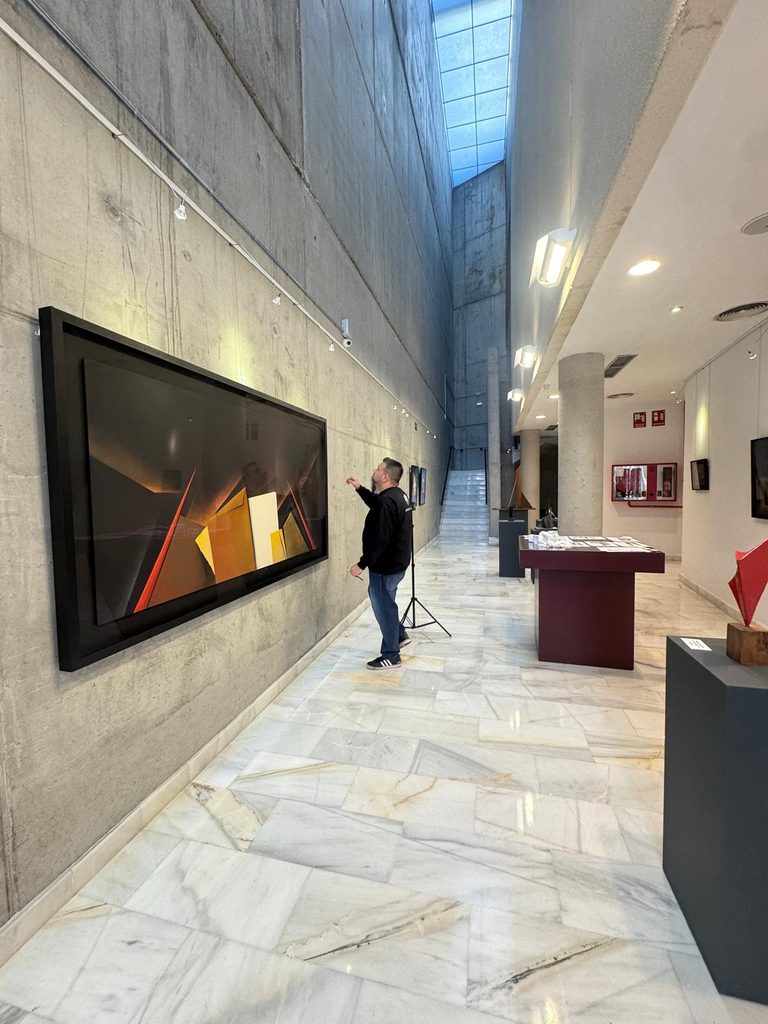
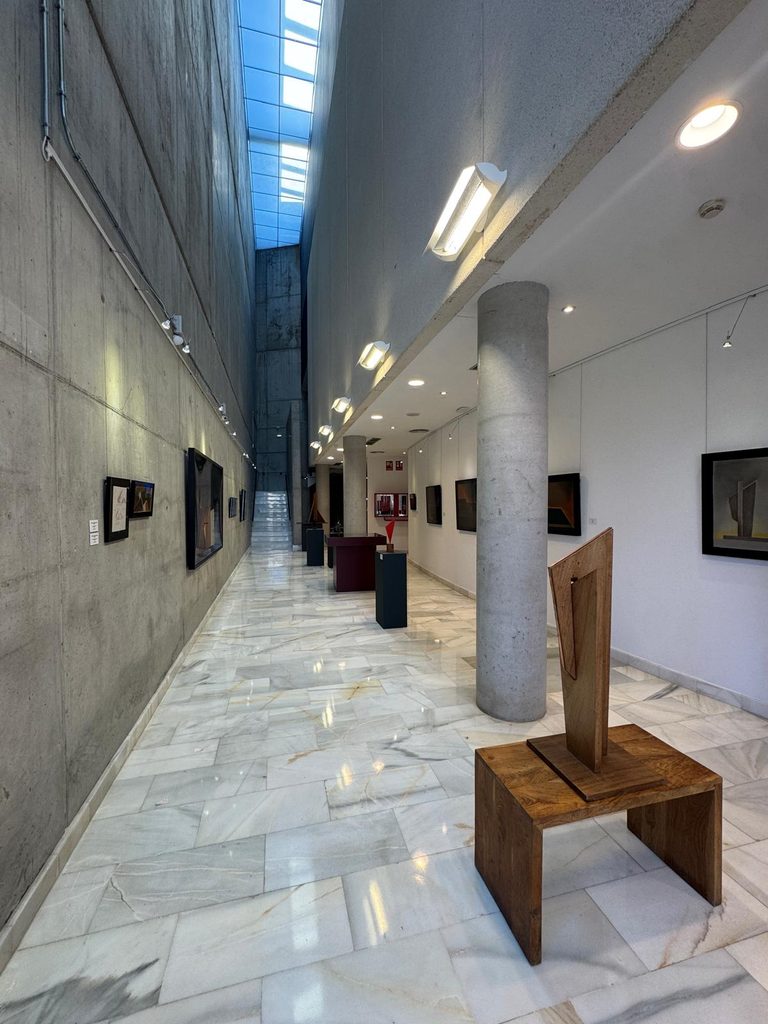
The catalog features reproductions of many of the exhibited works. In her collages and assemblages, we can see recreations of the Andalusian and Canarian landscapes, which are expressed through his increasingly synthetic style that borders on geometric abstraction..
This publication includes a text by Caroline Krabbe, the exhibition’s curator; another by Ana María Quesada Acosta and Federico Castro Morales; and a concluding text by Federico Castro on the experience of landscape and its impact on the artist’s evolution toward a geometric abstraction deeply rooted in the territory.
Caroline Krabbe, the curator of this exhibition, states that “Her sculptures, drawings, and projects do not appear as separate disciplines, but rather as different manifestations of the same quest.”
You can download it for free from these two links: https://ucopress.uco.es/producto/isbn-9788410720329/ y https://doi.org/10.21071/000180
About the exhibition
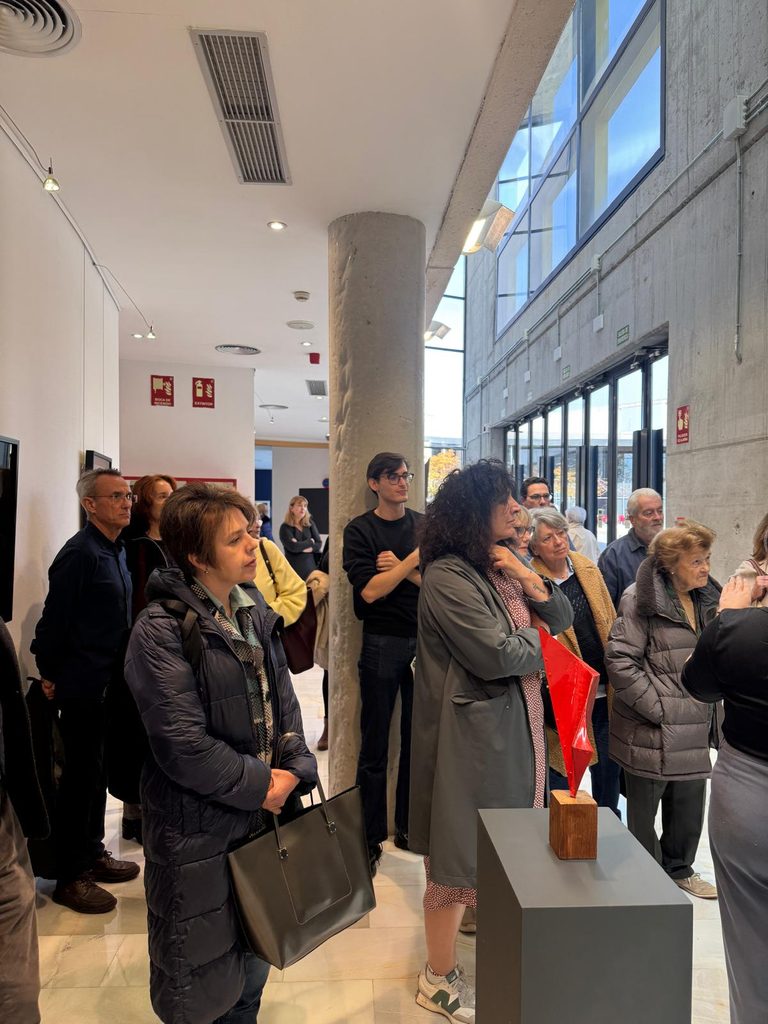
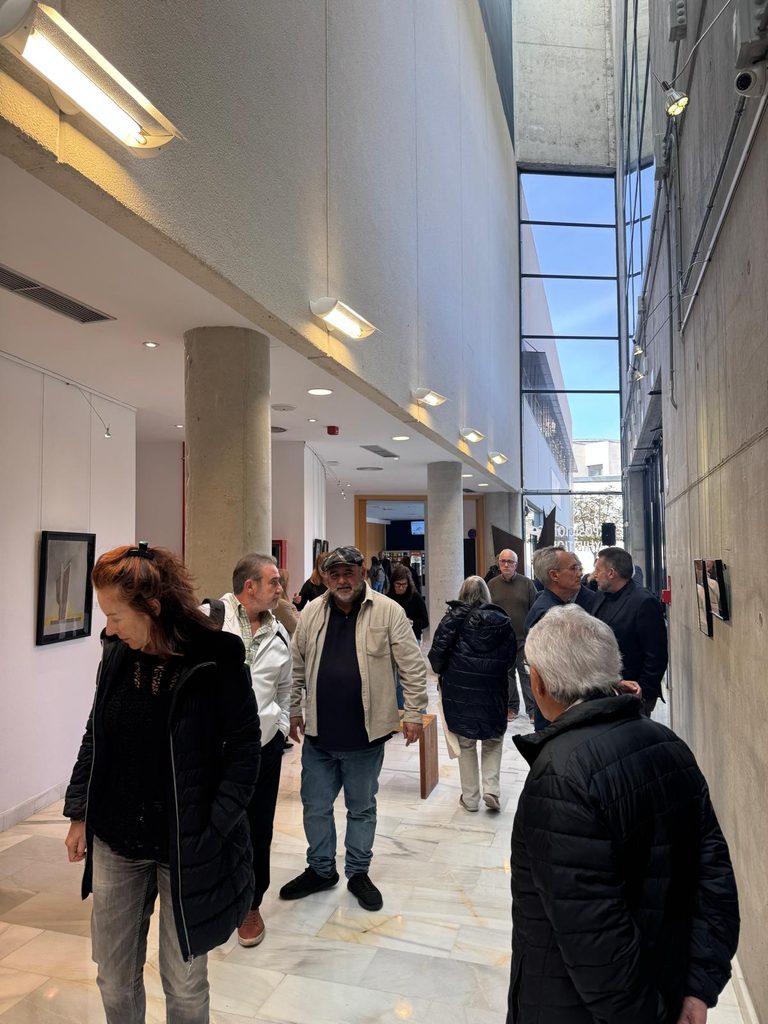
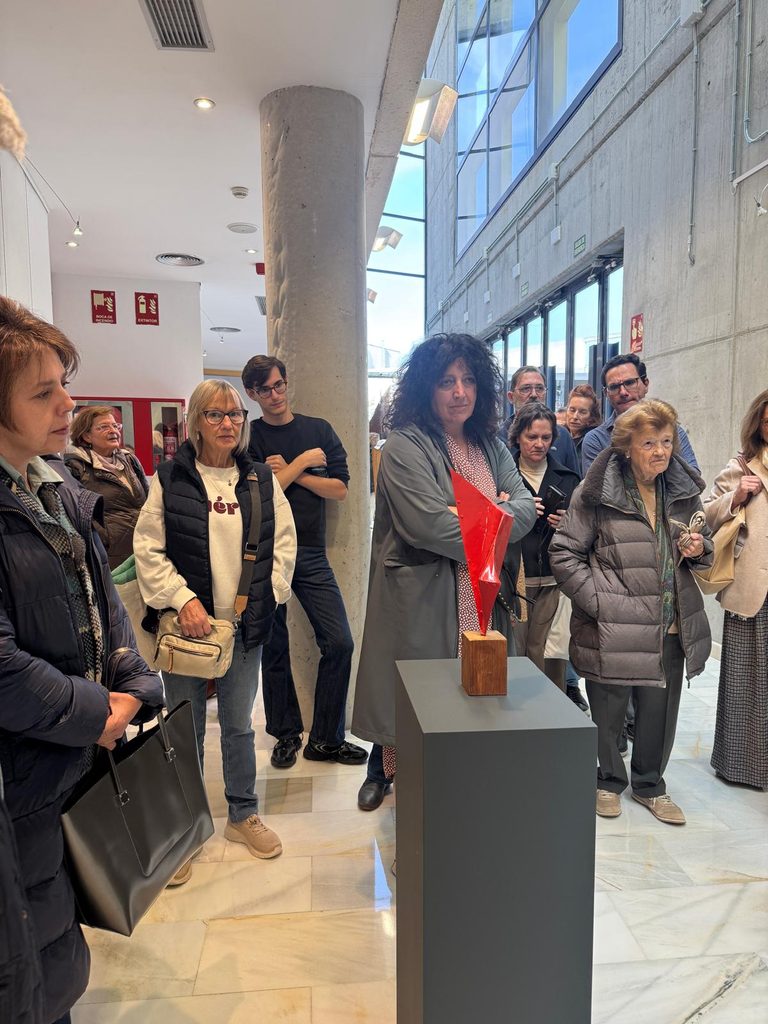
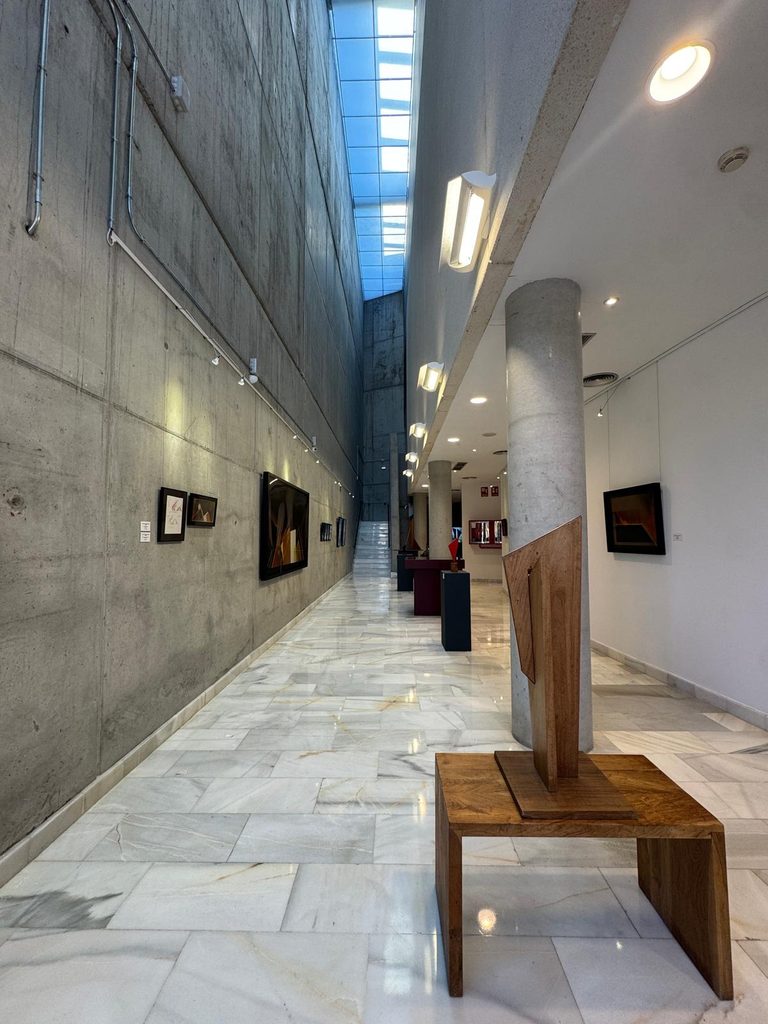
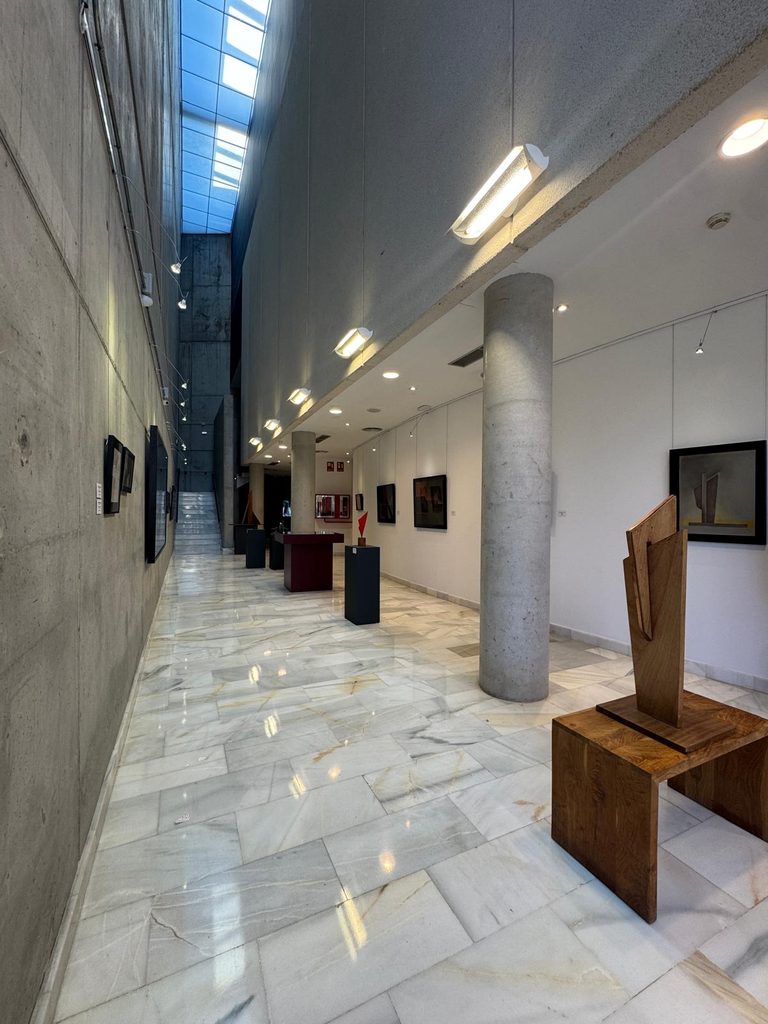
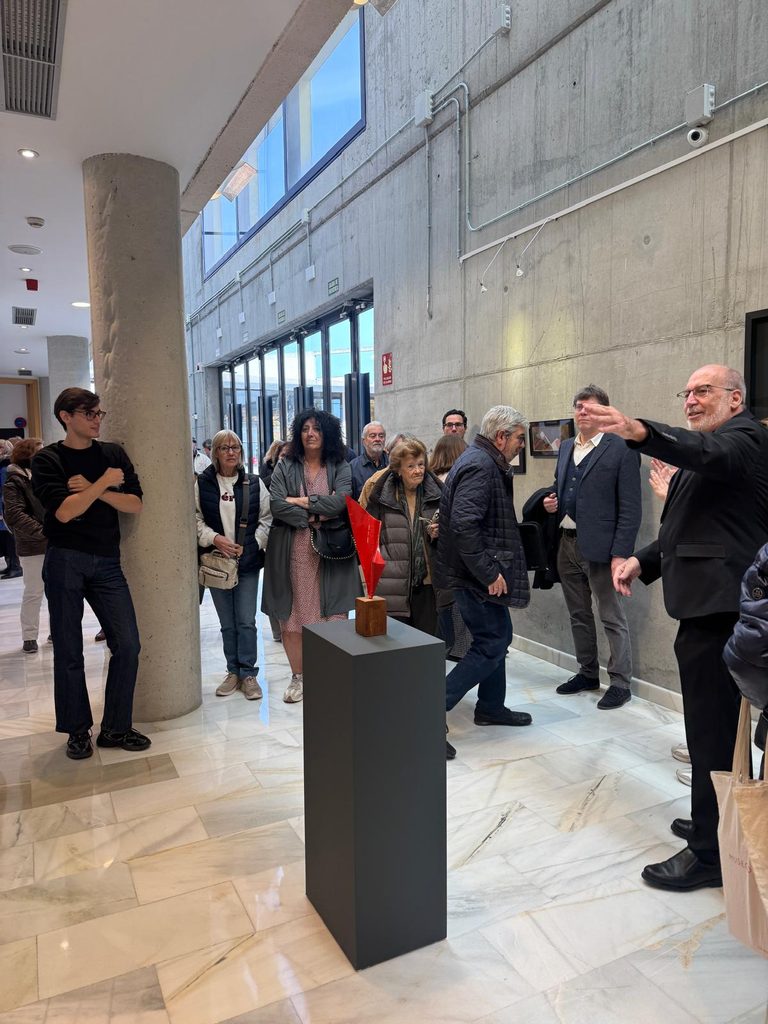
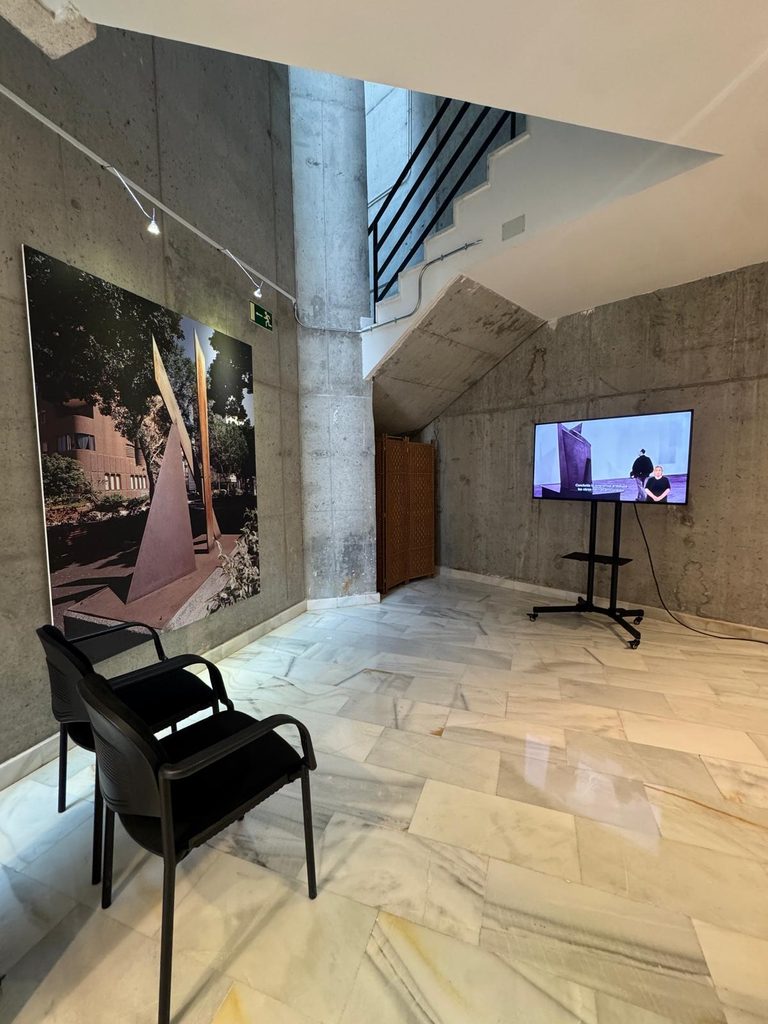
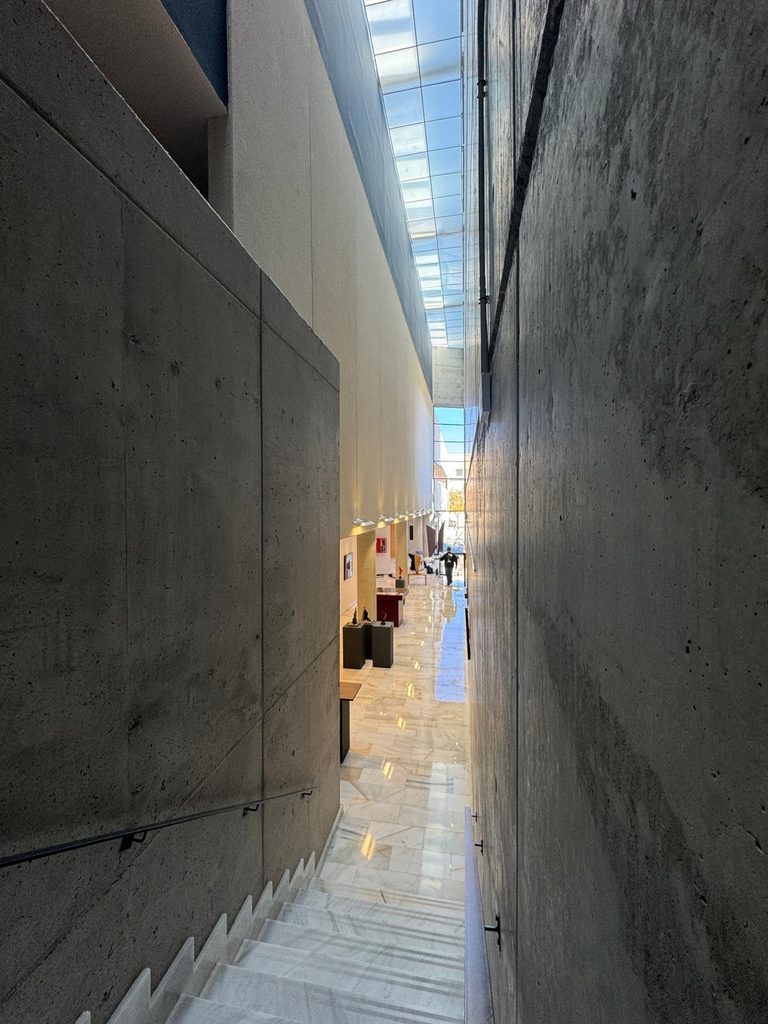
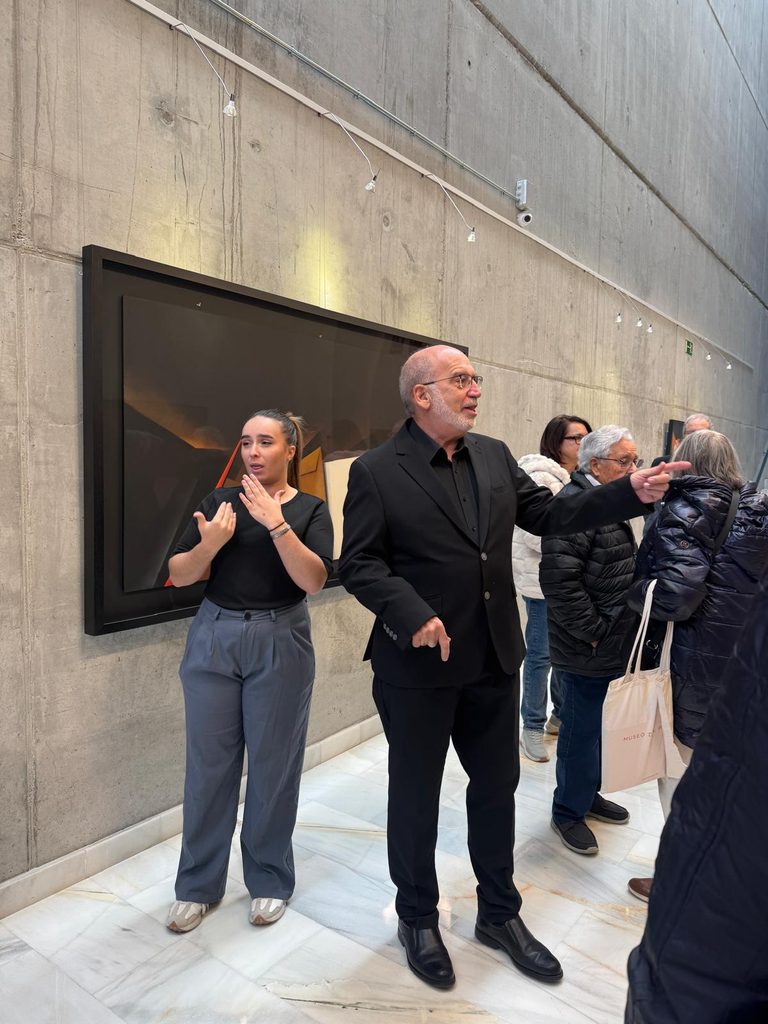
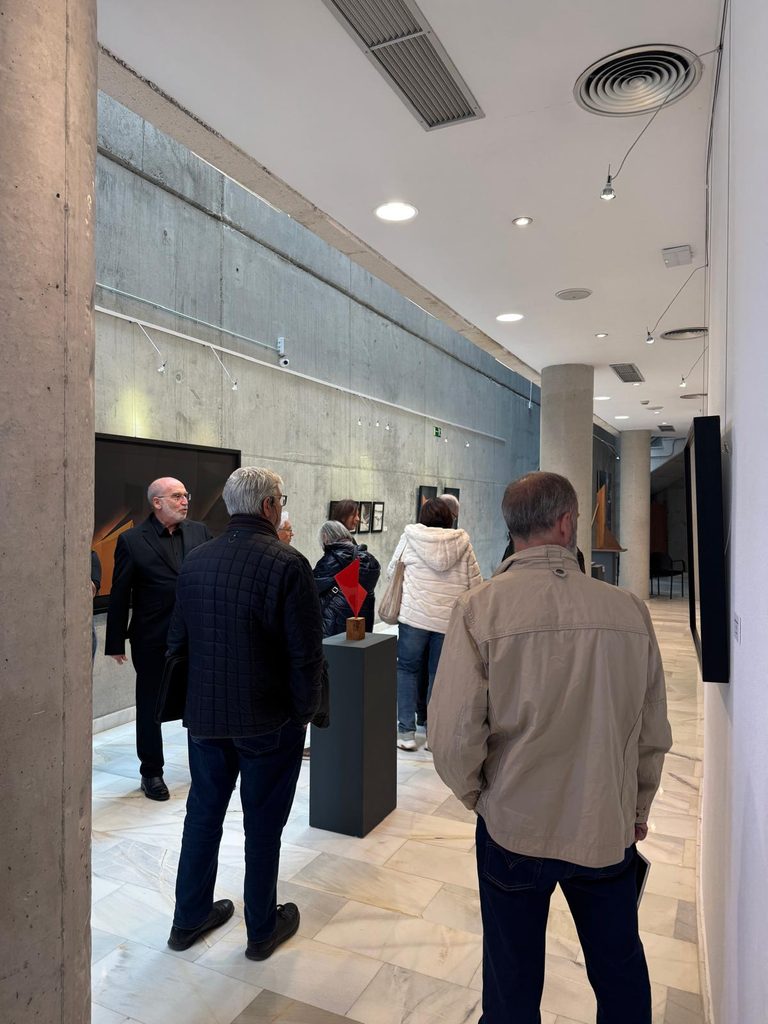
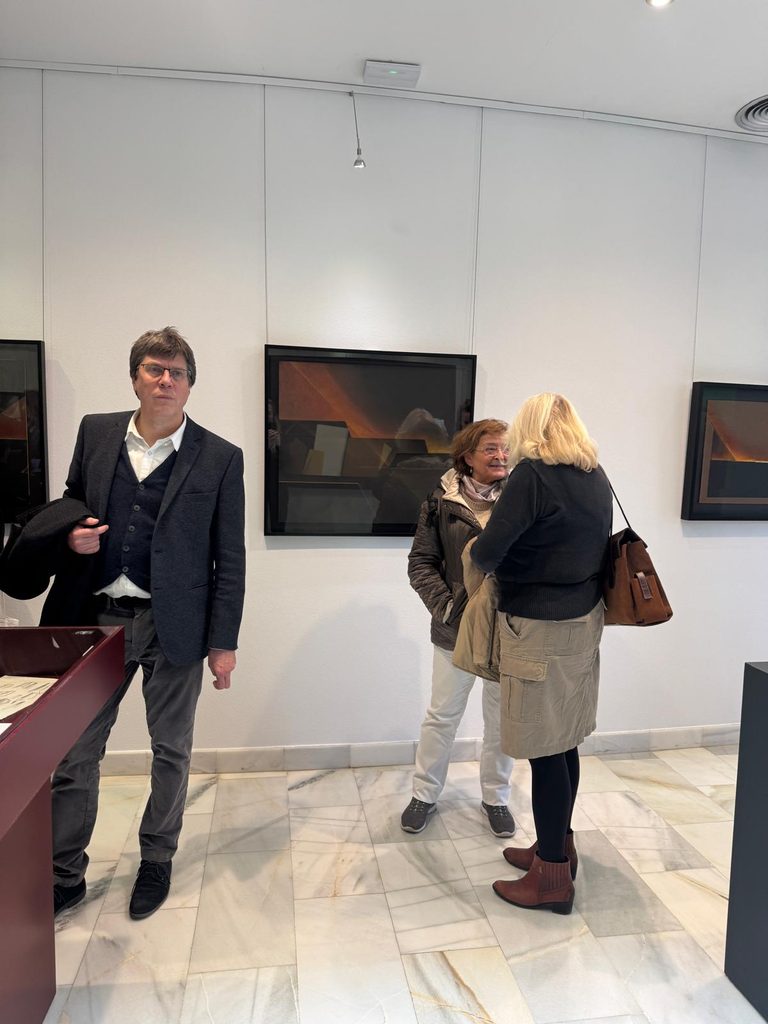
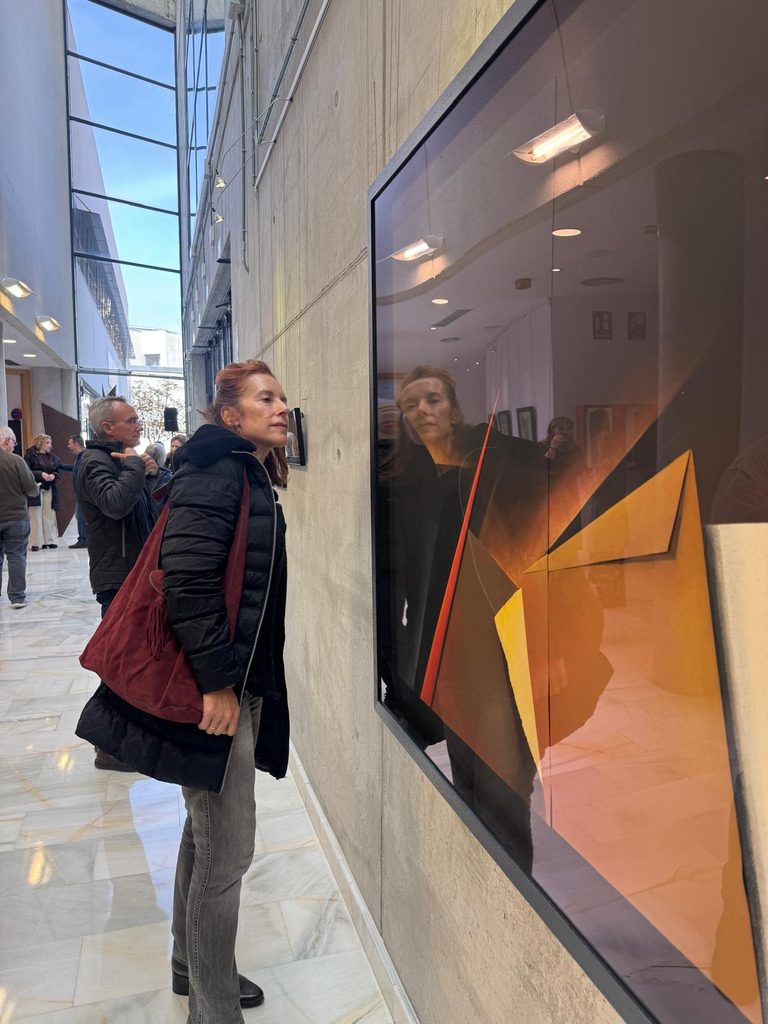
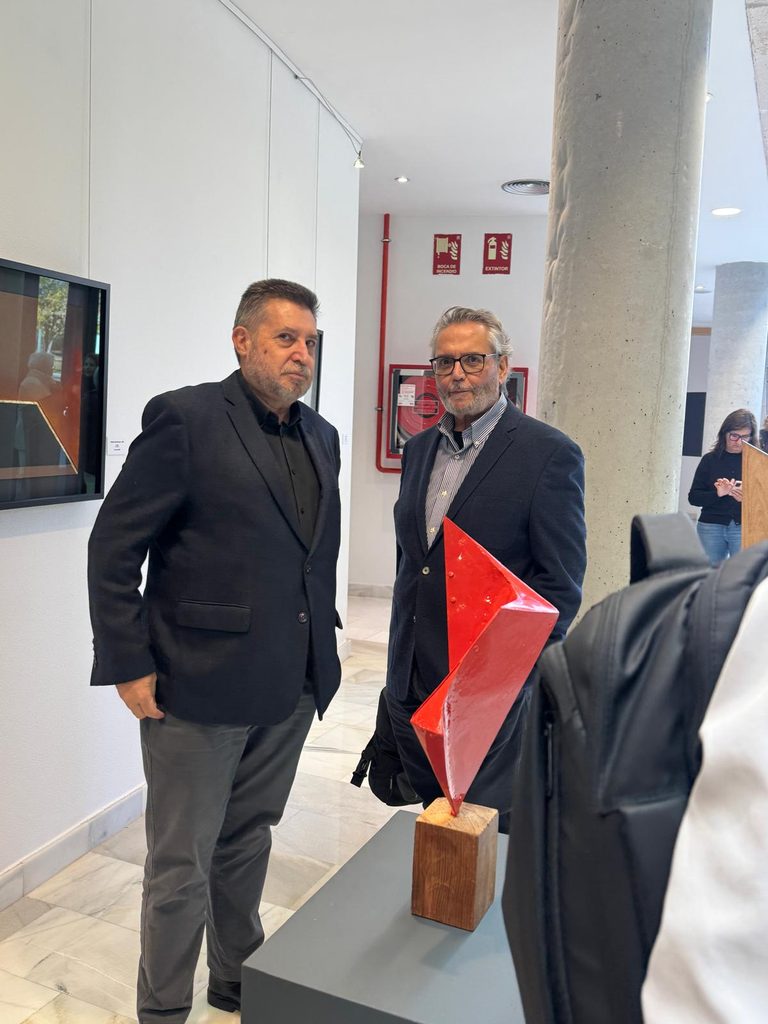
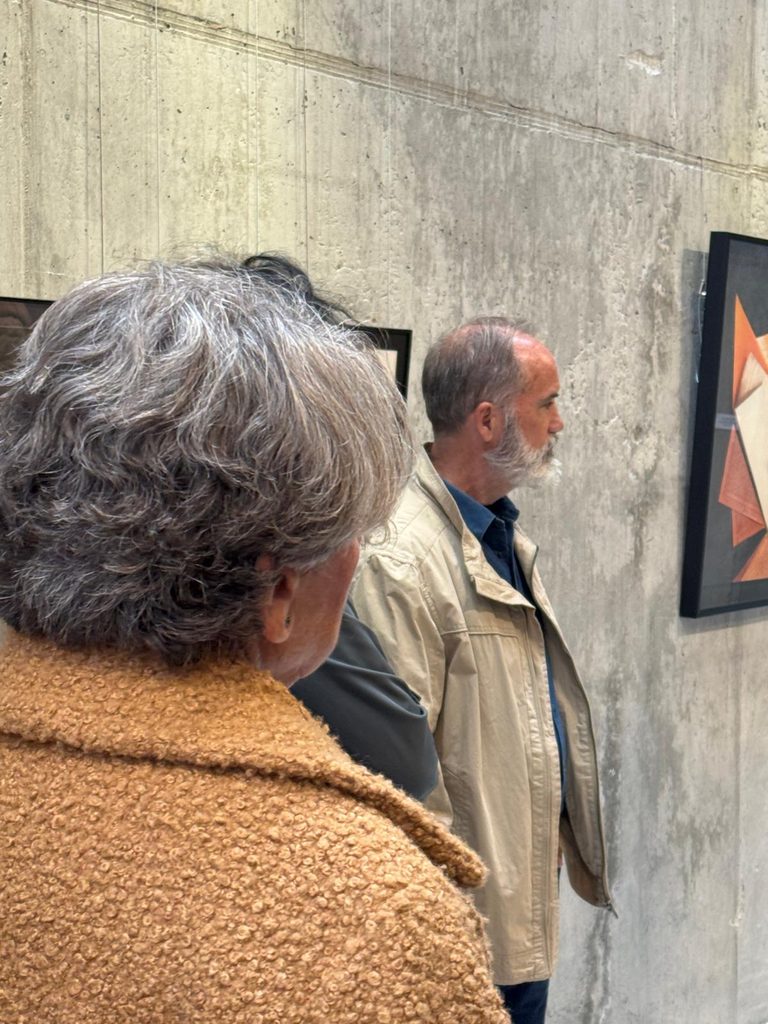
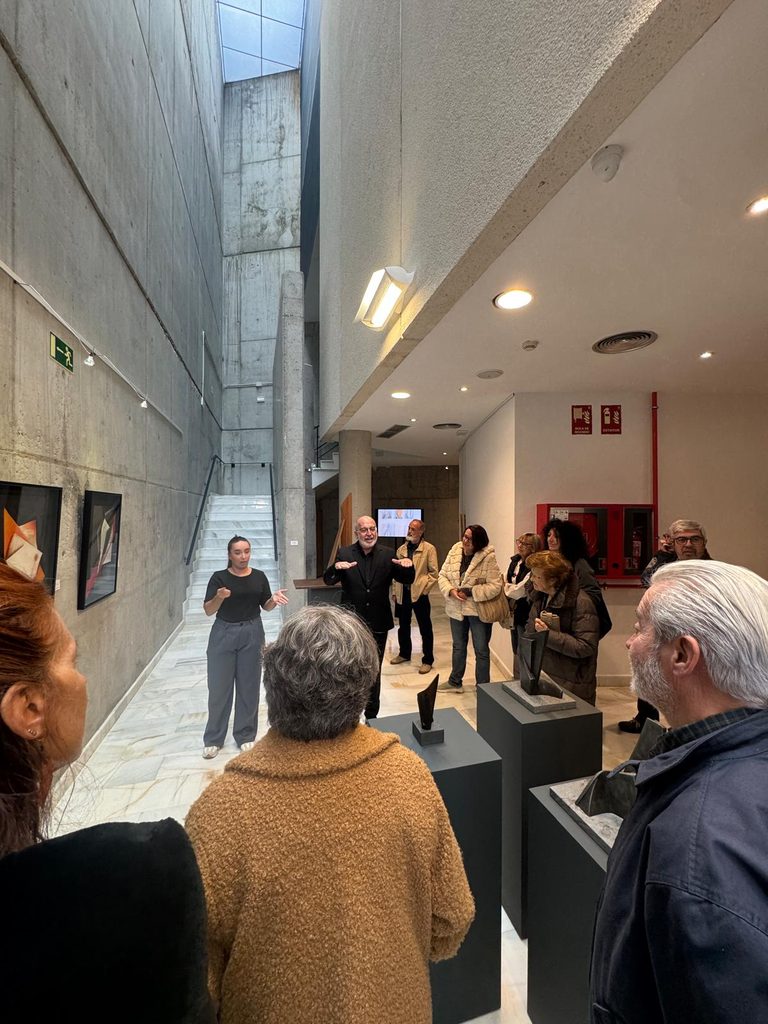
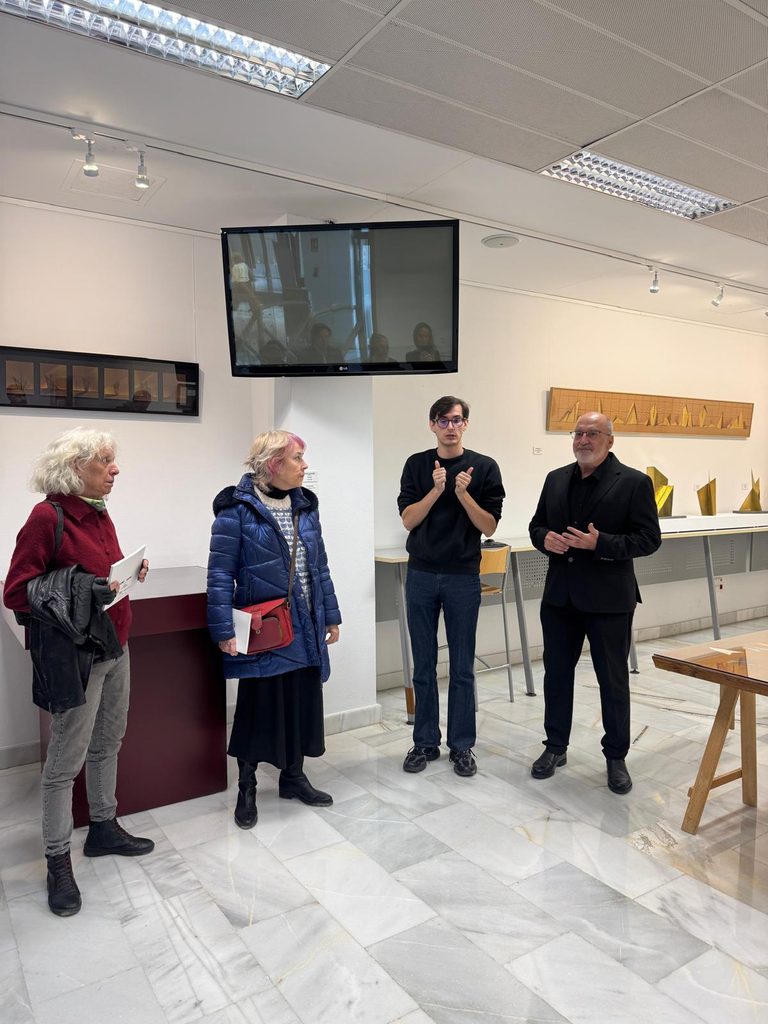
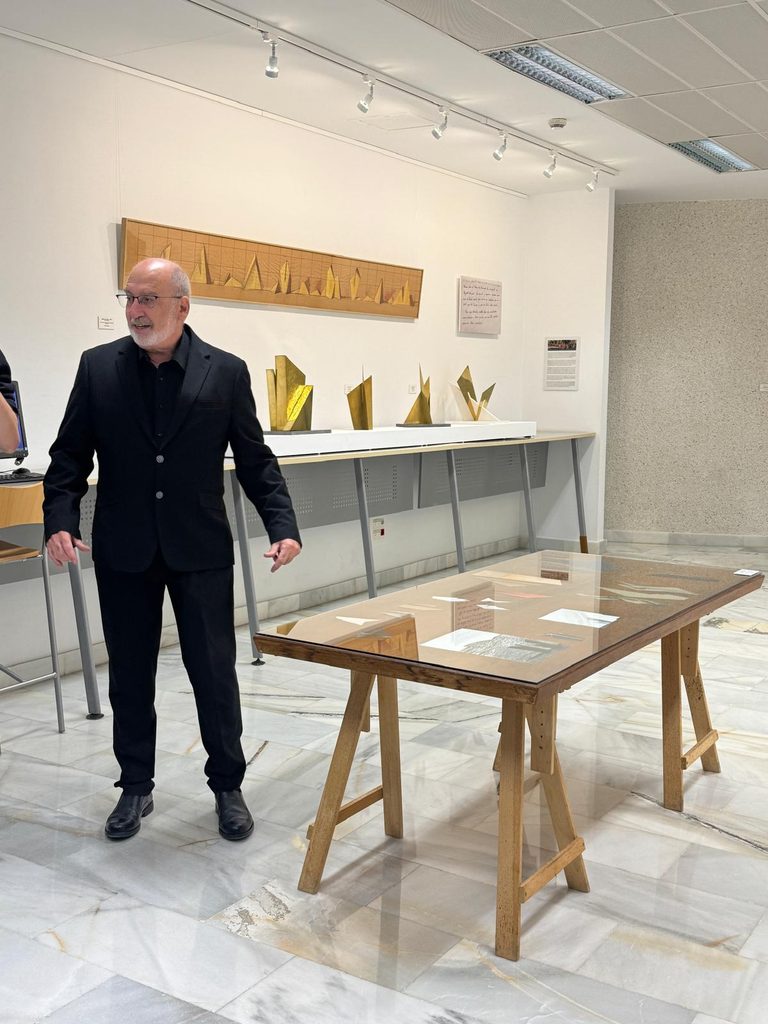
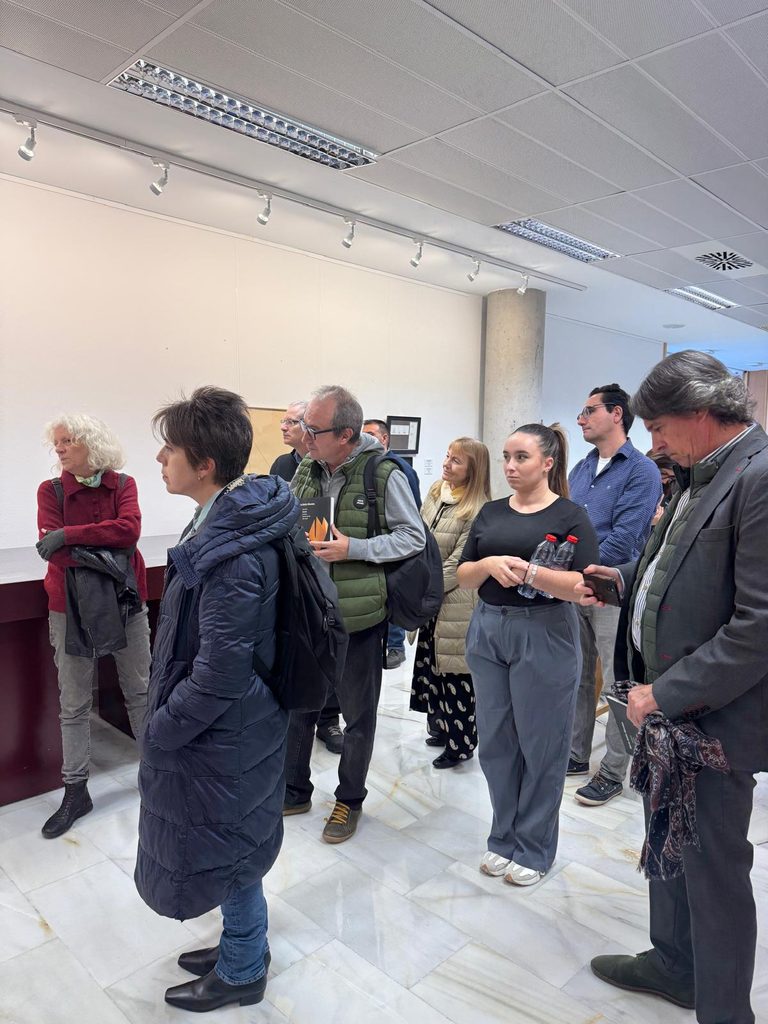
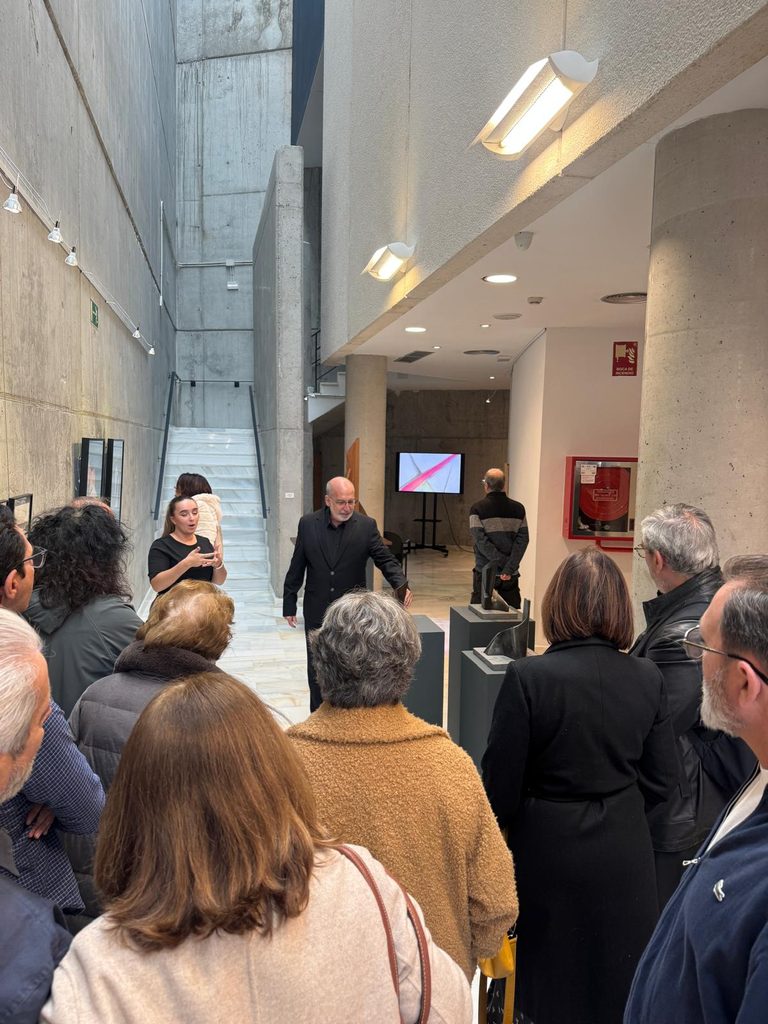
The exhibition at the Nerja Museum and now at the Library of the Colmenarejo Campus of Carlos III University was organized by sculptor and curator Caroline Krabbe. It features works that are largely unknown to the public. The exhibition includes models and sketches of public art projects, as well as reflections on her artistic achievements, which help trace the evolution of her ideas over time.
The exhibition features accessibility resources designed to make contemporary art more accessible to people who do not typically visit museums and contemporary art centers: an Easy-to-Read guide, a tactile station with Braille labels, a Braille exhibition guide, videos with subtitles and video-sign language, pictogram signage, and other measures to make it easier for wheelchair users and people with achondroplasia to view the works.
The Tenerife-born sculptor’s connection to Córdoba dates back to the late 1980s. To overcome the difficulties of transporting her work from the Canary Islands, she decided to create large-scale pieces in Córdoba, where she was welcomed by Jacinto Lara, who shared his studio in Villarrubia with her and put her in touch with the workshops of Antonio Jiménez in Fernán Núñez and Rafael Arjona in Villarrubia, complementing the work done at the Bronzo foundries in Tenerife.
Throughout his work from this period, he expresses his conviction regarding the construction of volume based on the spatial projection of a two-dimensional form.
The sculptor María Belén Morales (Tenerife, 1928–2016) is one of the most highly regarded and prominent artists in the Canary Islands. She worked in various artistic disciplines, including sculpture, drawing, and collage. A pioneer of the postwar avant-garde in Spain, she had already moved toward full abstraction by 1961. Her art possesses a solidity and a voice all its own, the result of her relentless search for new forms of expression.
About the author
The sculptor María Belén Morales (Tenerife, 1928–2016) is one of the most highly regarded and prominent artists in the Canary Islands. She worked in various artistic disciplines, including sculpture, drawing and collage. A pioneer of the post-war avant-garde in Spain, she had already moved towards full abstraction by 1961. Her art possesses a solidity and a voice of its own, the result of her ceaseless search for new forms of expression.
More info: https://mariabelenmorales.org/