The Shroud of Turin is one of the historical objects that has garnered the most attention in the contemporary world. For some believers, it is an indisputable relic; for others, a venerable remnant and, in any case, a symbol of the Passion and Resurrection of Jesus. For the scientific community, it is a disturbing object, subject to the most diverse tests from the most varied fields of knowledge (medicine, law, botany, chemistry, archaeology, art, etc.) in order to provide answers to the enigmas it poses.
In 2007, the University Brotherhood of Córdoba commissioned the image of its titular figure, the Holy Christ of the University, from the sculptor Juan Manuel Miñarro. The crucified figure was to reflect the anthropometric features and injuries of the man on the Shroud. To explain this fact, the Brotherhood gathered a prestigious group of experts in sindonology from various backgrounds at the University of Córdoba for a series of conferences. Their scientific contributions are collected in these pages, published by the University of Córdoba Publishing Service and coordinated by editors Professor Alberto Villar Movellán and Professor María Teresa Dabrio González. This is undoubtedly the best endorsement for the historic decision to conceive the image of the aforementioned Christ with sindonic characteristics at the beginning of the 21st century.
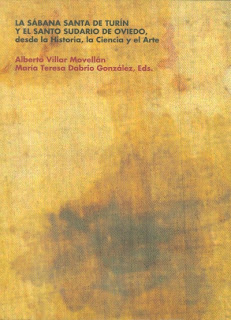
The University of Córdoba Press has published “La Sábana Santa de Turín y el Santo Sudario de Oviedo desde la Historia, la Ciencia y el Arte”
You Might Also Like
UCOPress has published “Del clasicismo a la modernidad. Historia de los movimientos cinematográficos (1915–1975)”
UCOPress-UCOCultura has published: «Raúl. Historietas y dibujos de compás binario»