Written by the Communications Department of Alcázar de San Juan
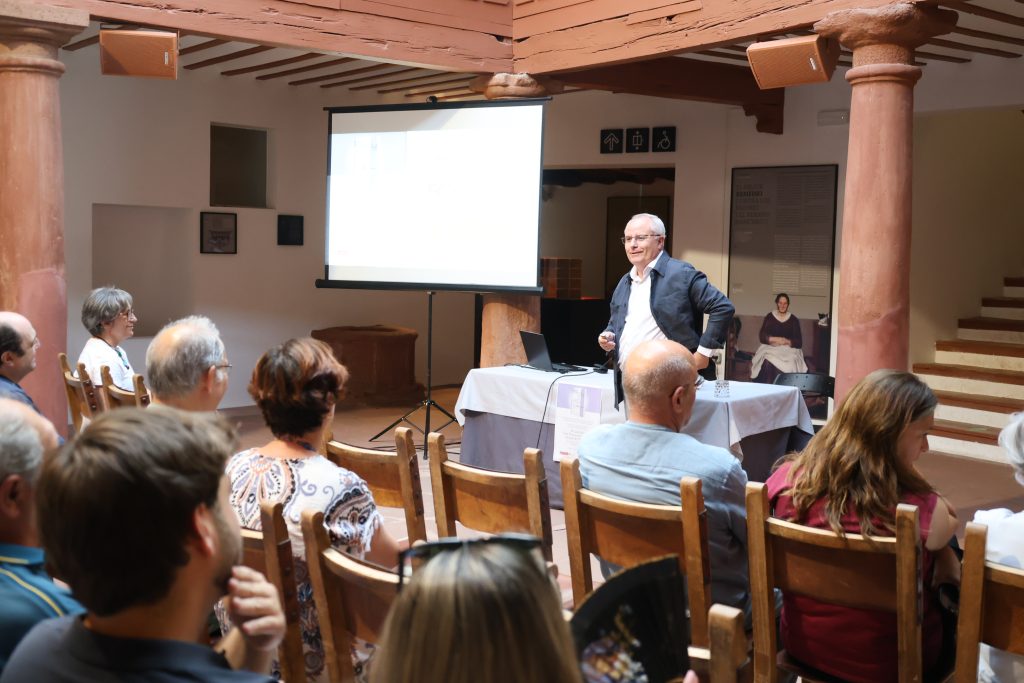
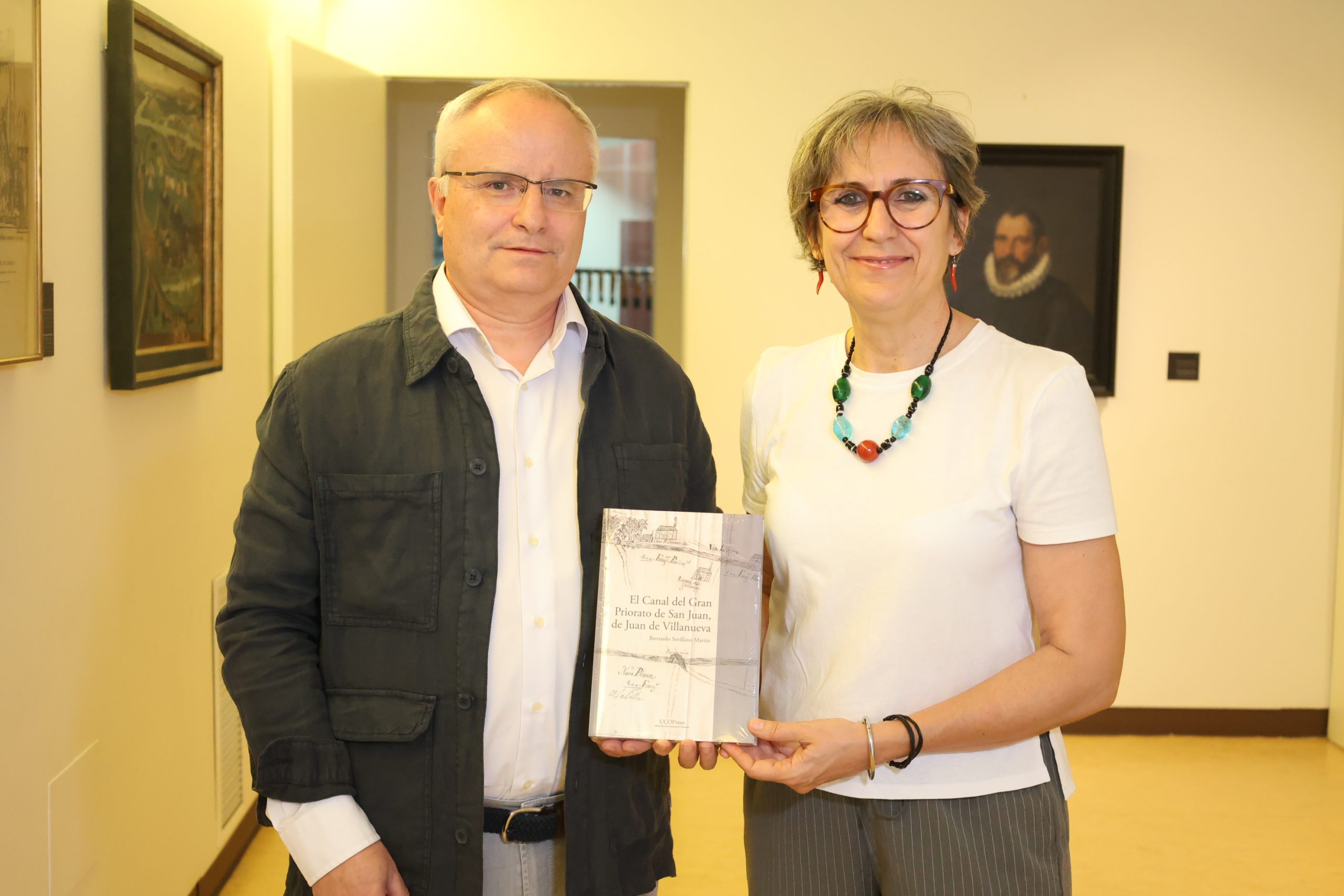
On 18 June, the Casa del Hidalgo Museum in Alcázar de San Juan hosted the launch of the book El Canal del Gran Priorato de San Juan, de Juan de Villanueva, a work by the researcher Bernardo Sevillano Martín which explores one of the most ambitious hydraulic projects of Enlightenment-era Spain. The publication, based on his doctoral thesis, has been published by the University of Córdoba and co-published by Alcázar de San Juan Town Council, reaffirming both institutions’ commitment to historical research and the promotion of cultural heritage.
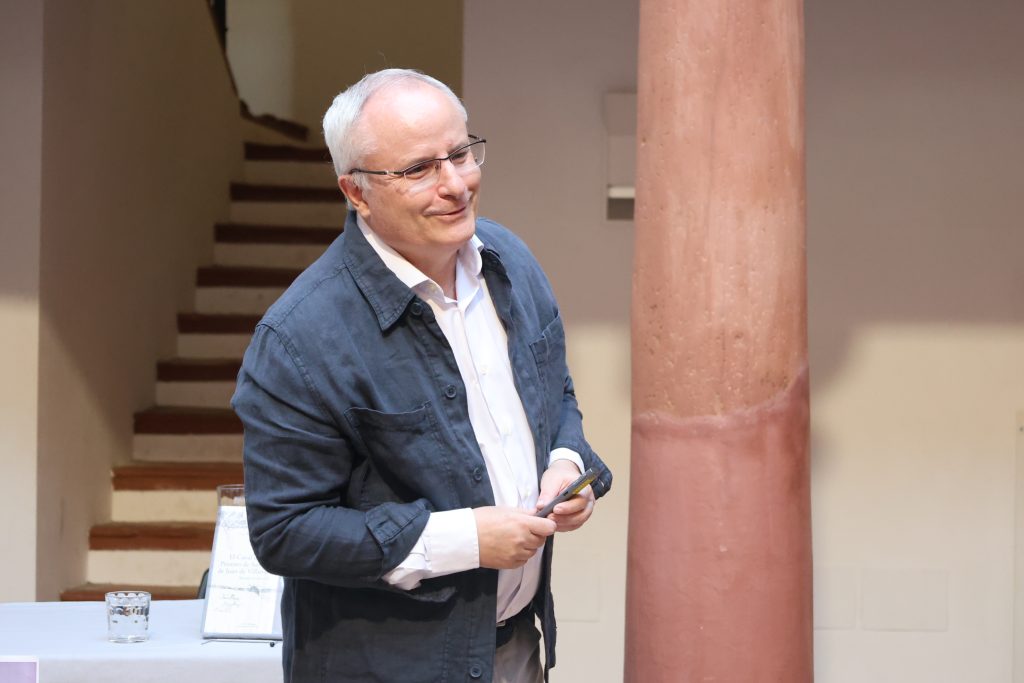
The event was attended by the Councillor for Culture, Cristina Perea, who joined the author at a gathering focused on the recovery and promotion of a little-known part of La Mancha’s historical legacy. During the presentation, Bernardo Sevillano explained that the book explores the origin, development and significance of a structure whose construction spanned almost thirty years, between 1782 and 1811, under the direction of the architect Juan de Villanueva.
The research analyses the reasons behind the canal’s creation, the objectives it sought to achieve within the context of the Enlightenment, and the circumstances that shaped its development. Through extensive documentary research, the work also seeks to address questions that have surrounded this project for decades, such as its degree of success, its impact on the local area, and its relationship with other initiatives undertaken in connection with the Royal Site of Ruidera.
During his speech, the author highlighted the special connection between Alcázar de San Juan and this historic infrastructure, as the town preserves some of the canal’s most significant remains. These include the bridges at Alameda de Cervera and the lock at Villacentenos, features that form a fundamental part of this Enlightenment-era legacy and which help us to understand the scale of a project designed to transform the region both economically and socially.
Sevillano has also emphasised the need to highlight the significance of these remains due to their close connection with Juan de Villanueva, regarded as one of the most important architects in Spanish history and the leading exponent of Neoclassical architecture. In this regard, he has pointed out that an understanding of the architect behind these buildings and the historical context in which they were built helps to better appreciate their significance as part of our heritage.
For her part, Cristina Perea described the publication as an extremely useful tool for further deepening our understanding of local history and for bringing a heritage – which, despite its significance, remains little known to a large part of the population – closer to the public. The councillor also highlighted the restoration work carried out in recent years on various parts of the canal and reiterated the council’s commitment to continuing to make progress on its conservation and promotion.
Perea also highlighted the work carried out by Bernardo Sevillano, emphasising the rigorous yet accessible nature of a piece of research that brings an essential part of the history of La Mancha to the general public. He also praised the collaboration between the University of Córdoba and Alcázar de San Juan Town Council, which has made possible the publication of a work that helps to strengthen knowledge of and protect the town’s historical heritage. The book can be purchased, in addition to at the launch events organised to mark its publication, via the website of the University of Córdoba Press (UCOPress). It is also available on various online retail platforms, which will make it more accessible to both researchers and readers interested in exploring the history of the Canal del Gran Prior and the Enlightenment heritage associated with Alcázar de San Juan and its surroundings.