At the beginning of the 16th century, the foothills of Sierra Morena and its valley were experiencing a turbulent period: demographic and urban growth, a production boom, increased trade, the emergence of large landed estates and the cortijo… There was also growing seigneurial pressure and ongoing tension between the feudal nobility and the emerging modern state, poor harvests, and successive subsistence crises. In this context, there was an unprecedented rise in religious and spiritual concerns, in which neither the Church nor the Tribunal of the Holy Office, established at the end of the 15th century, would remain uninvolved.
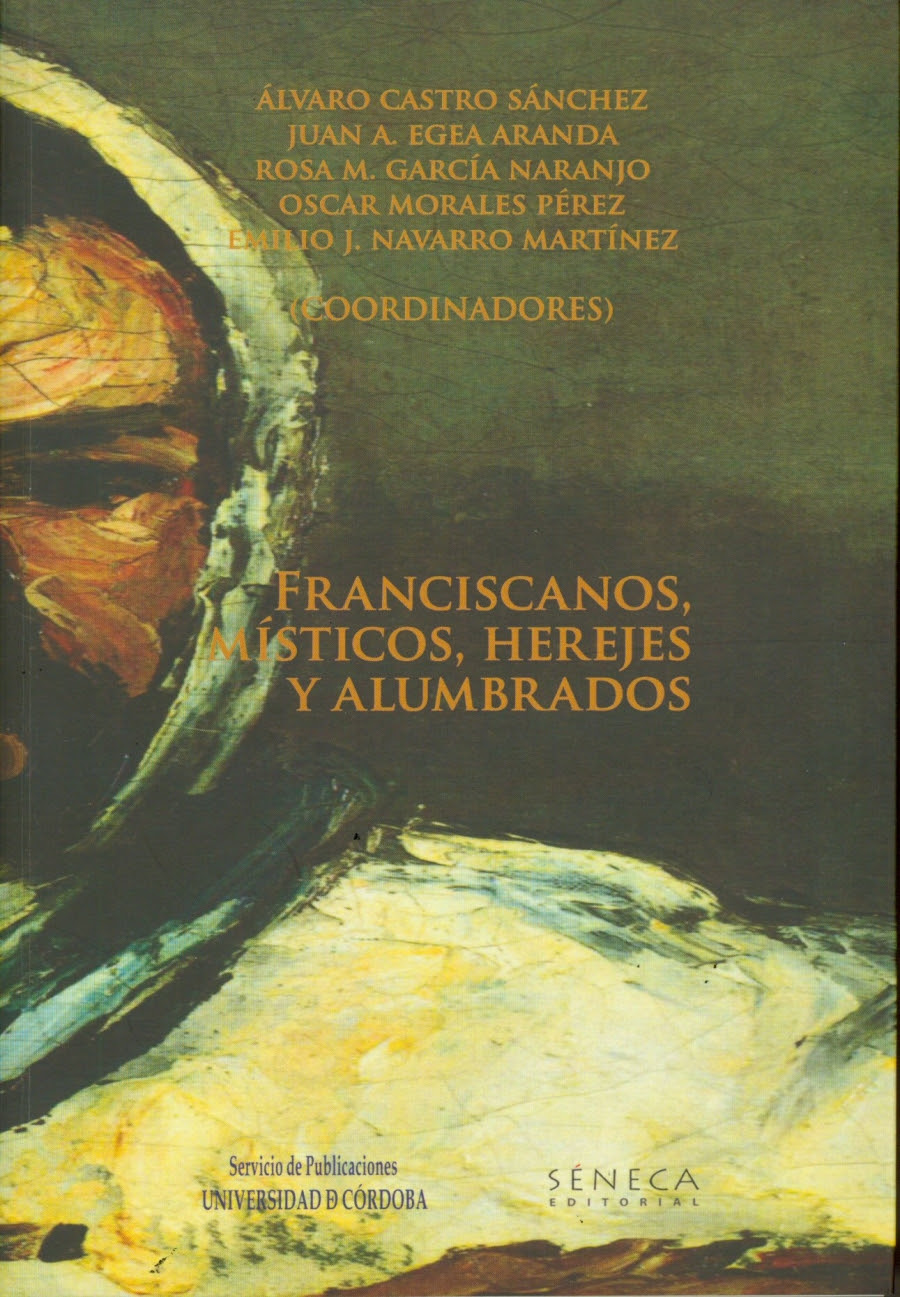
A broad overview of all this is presented in the book “Franciscanos, místicos, herejes y alumbrados”, published by the Publications Service of the University of Córdoba and Séneca Editorial and coordinated by Alvaro Castro Sánchez, Juan A. Egea Aranda, Rosa M. García Naranjo, Óscar Morales Pérez and Emilio J. Navarro Martínez. Its pages provide an assessment of the seminar held under the same title from February 29 to March 2, 2008, in Hornachuelos, and it covers topics ranging from popular religiosity to religious practice in the area at the end of the Middle Ages, the lives of hermits, the philosophy of the alumbrados, the activity of preachers, the relationships between women, heterodoxy and the Inquisition, blasphemy and heresy, convent life, inquisitorial censorship of books, revolts, various biographies, the role of the Reformation and Counter-Reformation, and relations between monks and lords. An entire cosmos recounted through careful local and multidisciplinary studies that are essential for a general understanding of the topics addressed.